Setting Bend Tolerance: Three Things to Agree Before Cutting
Sheet thickness, bend radius and spring-back decide the final size; agreeing early avoids sample rework.
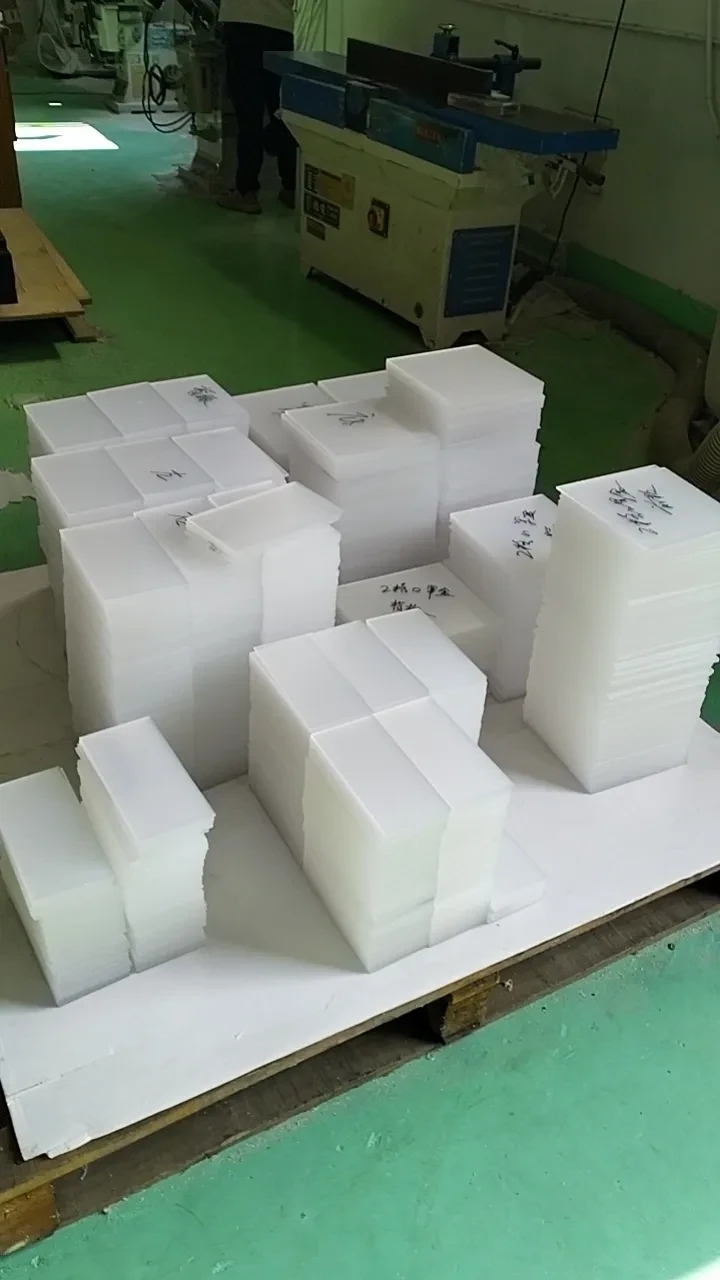
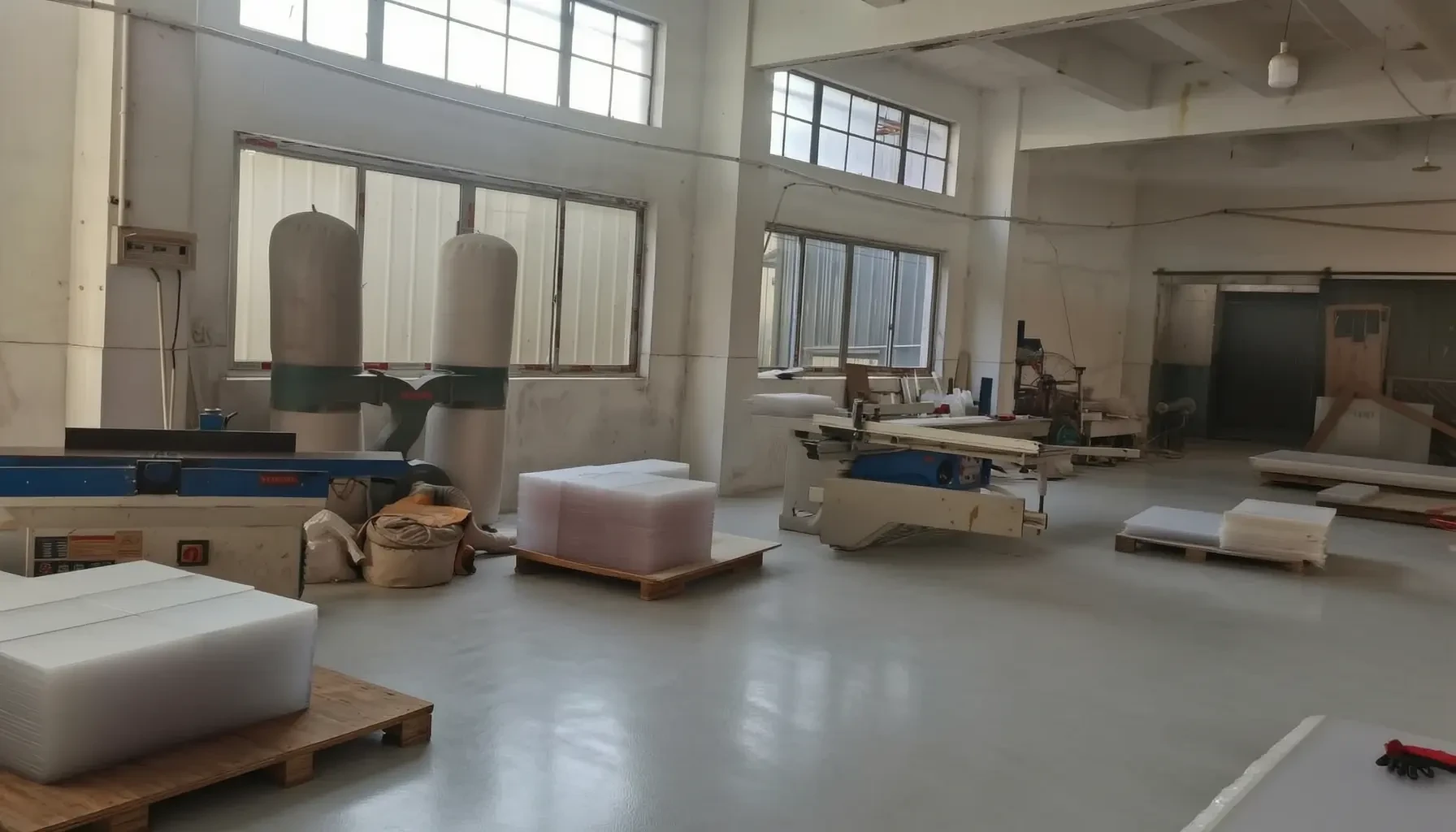
Bent parts look simple, but size deviation usually comes from three steps: cutting allowance, bending temperature and cooling time. Thicker sheets spring back more, so cutting to the drawing's net size often leaves shelves at uneven heights.
We confirm thickness and bend radius at the drawing stage, then allow for spring-back. Samples use the same sheet batch, and tooling is locked only after shelves are level and faces are vertical. Batch consistency then comes from tooling rather than piece-by-piece correction.
Buyers only need to provide three things before cutting: the acceptable size range, the weight distribution of displayed products, and whether cables or light strips run through the bend. With those fixed, sample-to-batch variation usually stays within an acceptable range.
INQUIRY
Have a specific display need? Share size, quantity and use case for a structure and quoting basis.
Submit a request